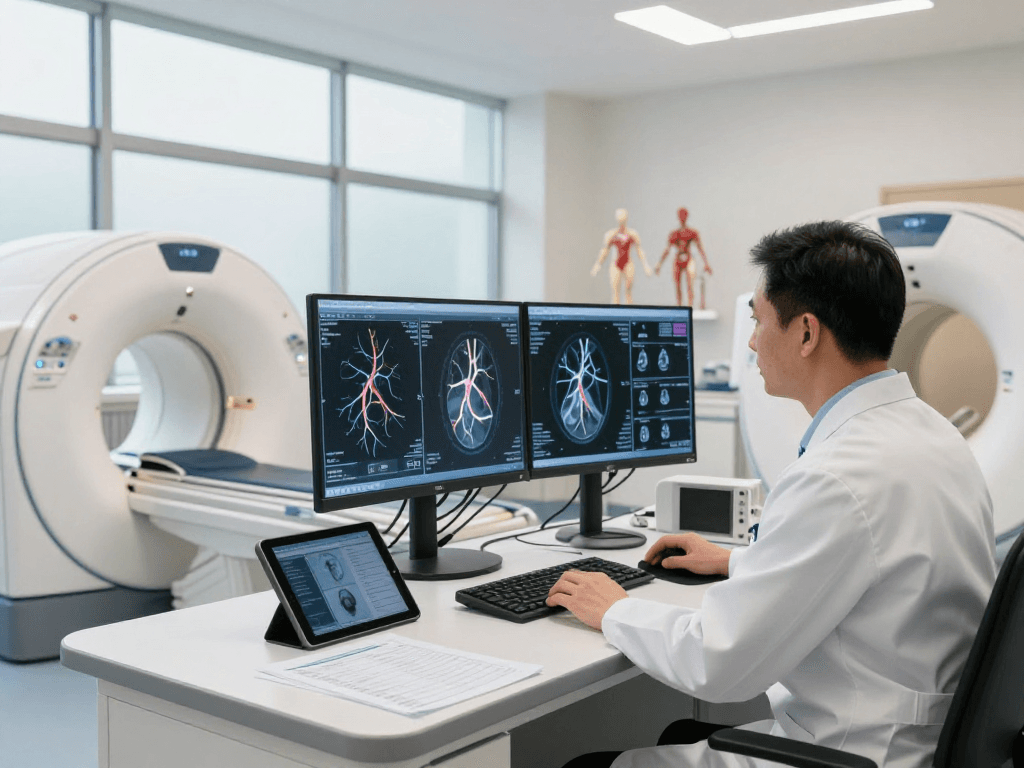
Understanding Vascular Imaging and Diagnostics
In the realm of modern medicine, vascular imaging and diagnostics play a pivotal role in assessing and managing vascular health. These specialized techniques are revolutionizing the way healthcare professionals view and understand conditions affecting blood vessels, enabling early detection and precise treatment planning. As we continue to push the boundaries of medical technology, a comprehensive understanding of vascular imaging becomes essential for healthcare providers seeking to enhance patient outcomes.
What is Vascular Imaging?
Vascular imaging refers to the various techniques used to visualize blood vessels and the flow of blood within them. This field encompasses diverse modalities, including ultrasound, magnetic resonance imaging (MRI), computed tomography (CT), and angiography. Each method has its distinct advantages and applications, contributing to a holistic approach to vascular health assessment.
For example, ultrasound is particularly effective for assessing venous conditions, while CT and MRI are preferred for detailed visualization of arterial structures. Angiography, often considered the gold standard, involves the injection of contrast material to highlight blood vessels, allowing for precise identification of blockages or abnormalities.
The Role of Diagnostics in Vascular Health
Diagnostics are crucial in identifying vascular diseases, which can range from deep vein thrombosis to atherosclerosis. Early and accurate diagnosis is essential to prevent severe complications such as stroke or limb loss. Through innovative vascular imaging and diagnostics technologies, healthcare providers can pinpoint issues before they escalate, ultimately improving patient care.
Furthermore, diagnostics provide a roadmap for treatment options, guiding clinicians in choosing the most effective interventions based on the unique needs of each patient. This personalized approach not only enhances the quality of care but also contributes to more efficient use of healthcare resources.
Key Benefits of Advanced Vascular Imaging Techniques
Improved Accuracy in Diagnosing Conditions
Advanced vascular imaging techniques significantly enhance the accuracy of diagnoses. For instance, 3D imaging allows for better visualization of complex vascular structures, enabling clinicians to detect conditions that might be overlooked with traditional methods. Moreover, enhanced imaging technologies, like digital subtraction angiography, provide clearer images by removing the background noise, thus improving diagnostic confidence.
Enhancing Patient Outcomes with Early Detection
One of the most compelling advantages of advanced vascular imaging is the ability to detect conditions at an earlier stage. This early detection is critical for conditions such as peripheral artery disease (PAD) and abdominal aortic aneurysms (AAA), where timely intervention can prevent life-threatening complications. Studies have shown that patients diagnosed early have higher survival rates and better quality of life following treatment.
Streamlining Treatment Planning and Follow-Up
With the integration of advanced imaging technologies, the process of treatment planning becomes more streamlined. Clinicians can utilize the detailed visualizations from imaging studies to devise tailored treatment strategies. Additionally, follow-up imaging allows for monitoring of treatment efficacy, ensuring adjustments can be made proactively to optimize patient care.
Common Challenges in Vascular Imaging and Diagnostics
Addressing Misconceptions About Imaging Procedures
Despite the advancements in vascular imaging, misconceptions about these procedures persist among patients and even some healthcare providers. Many patients may fear the risks associated with radiation exposure in CT scans or the discomfort involved in other imaging techniques. Therefore, it is essential to communicate effectively about the safety, benefits, and necessity of these procedures to alleviate patient concerns.
Overcoming Technical Limitations and Equipment Costs
Another significant challenge in the field of vascular imaging is the high cost associated with advanced imaging technologies. Hospitals and clinics may face financial constraints that limit access to the latest equipment. Addressing this requires strategic investment in technologies that provide a good return on investment through better patient outcomes and increased efficiency.
Ensuring Patient Compliance and Safety
Patient compliance is crucial for successful imaging outcomes. Factors such as anxiety, misunderstanding of the procedure's necessity, and logistical challenges can hinder attendance. To enhance compliance, healthcare providers must cultivate a supportive environment, provide comprehensive explanations, and offer flexible scheduling options to accommodate patients' needs.
Best Practices for Implementing Vascular Imaging Solutions
Choosing the Right Imaging Technologies
Selecting the appropriate imaging technology is vital for maximizing diagnostic yield and patient safety. Healthcare organizations should evaluate their patient population's specific needs and align them with the latest technological advancements. For instance, facilities that cater to high-risk populations may benefit from investing in MRI technology, which lacks ionizing radiation compared to other modalities.
Integrating Imaging Results into Clinical Workflow
Efficient integration of imaging results into the clinical workflow is essential for optimal patient care. This can involve implementing electronic health record (EHR) systems that facilitate easy access to imaging results and enable seamless communication between radiologists and treating physicians. Initiatives like these can significantly reduce wait times for patients and streamline decision-making processes.
Training Staff for Optimal Use of Diagnostic Tools
To leverage the full potential of imaging technologies, thorough training of medical staff is imperative. Comprehensive training programs should cover not only the technical aspects of operating imaging equipment but also the interpretation of results, ensuring that all team members can contribute to accurate diagnosis and effective patient management.
Future Trends in Vascular Imaging and Diagnostics
Emerging Technologies Shaping the Industry in 2026
As we look towards 2026, several emerging technologies are poised to reshape the landscape of vascular imaging. Artificial intelligence (AI) is becoming increasingly prominent in image analysis, allowing for rapid and accurate detection of abnormalities that might escape human eyes. Furthermore, advanced imaging algorithms are enhancing contrast resolution, making it easier to visualize small lesions or complex vascular structures.
Telemedicine and Remote Diagnostics Advancements
Telemedicine has flourished in recent years, and its influence on vascular imaging cannot be understated. Remote diagnostics enable healthcare providers to assess vascular health through telehealth platforms, offering patients convenient access to specialists without needing to travel. This trend is particularly beneficial for rural populations or those with mobility challenges.
Predictive Analytics in Vascular Health
Predictive analytics is another forward-thinking trend in vascular diagnostics, leveraging big data to forecast patient outcomes based on imaging results and clinical parameters. These insights can empower healthcare providers to implement preventive measures, ultimately steering patients towards a healthier future.
What are the latest technologies in vascular imaging?
The latest technologies include advancements in 3D imaging, contrast-enhanced ultrasound, and AI-assisted imaging analysis. These innovations enhance the precision and accuracy of vascular assessments, paving the way for tailored treatments.
How does vascular imaging improve patient outcomes?
Vascular imaging improves patient outcomes by enabling early detection of vascular conditions, allowing for timely interventions that can prevent serious complications and enhance overall quality of life.
What challenges are faced in vascular diagnostics today?
Challenges include misconceptions about imaging safety, high equipment costs, and ensuring patient compliance with recommended procedures. Addressing these challenges is crucial for optimizing patient care.
How can hospitals enhance their imaging capabilities?
Hospitals can enhance imaging capabilities by investing in cutting-edge technologies, integrating imaging results into clinical workflows, and providing staff with comprehensive training. These strategies can lead to significant improvements in diagnostic accuracy and patient experience.
What trends are shaping the future of vascular imaging?
Emerging trends include advancements in AI and machine learning, the rise of telemedicine for remote diagnostics, and the use of predictive analytics to enhance patient care. These innovations are set to transform vascular imaging into a more efficient and patient-centered practice.